PRODUCT CATEGORIES
INOUIRY
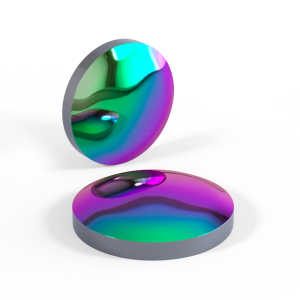
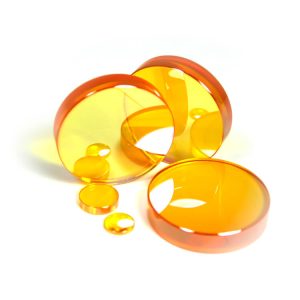
Meniscus lenses come in two types: positive meniscus lenses and negative meniscus lenses.
| Substrate Material | H-K9L, Quartz, Silicon | Diameter | 5-800mm (customized) |
|---|---|---|---|
| Diameter Tolerance | +0.0/-0.1 mm | Thickness Tolerance | ±0.1 mm |
| Focal Length Tolerance | ±1% | Clear Aperture | >90% |
| Surface Quality | 60/40-20/10 | Surface Accuracy | λ/4- λ//8 |
| Lens Centering Error | <3' | Coated | Uncoated, VIS, NIR, SWIR |
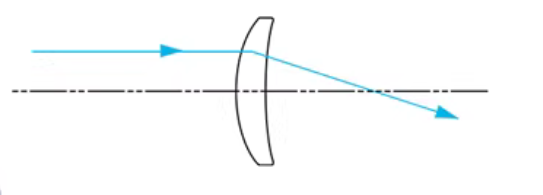
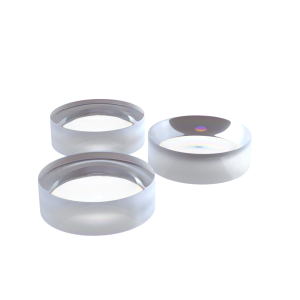
Positive Meniscus Lenses
Positive meniscus lenses are used to reduce the focal length of another lens while maintaining the angular resolution of the optical assembly. Their substrate materials include N-BK7 and ultraviolet fused silica. These lenses are typically used in conjunction with another positive lens to achieve good focusing.
Material: N-BK7 glass, quartz glass;
Available sizes: Ø1 inch and Ø2 inch;
Available uncoated or with four antireflective coatings:
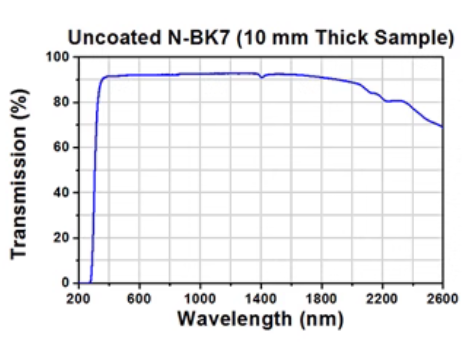
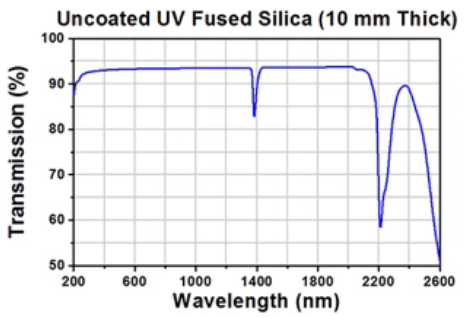
Uncoated: 350nm – 2.0 µm / 185nm – 2.1µm
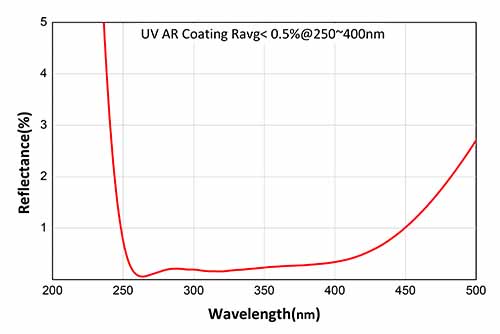
UV coating: 250-400nm
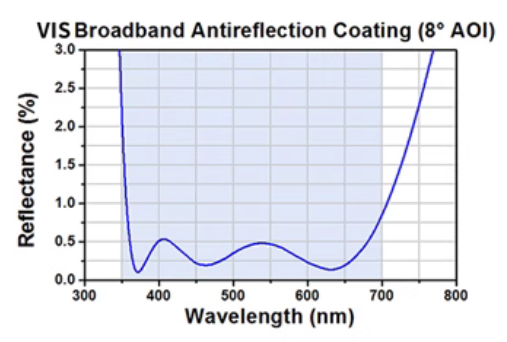
A coating: 350-700 nm
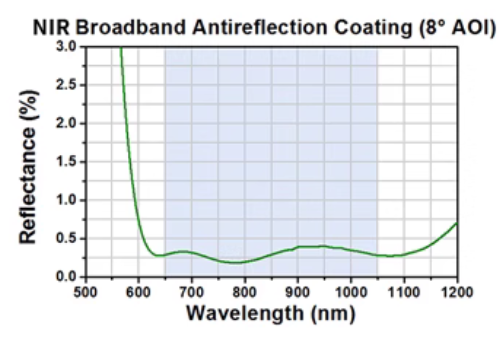
B coating: 650-1100 nm
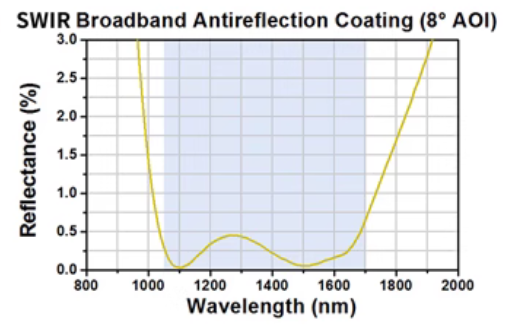
C coating: 1050-1700 nm
Focal length range from 100.0 to 1000.0 mm;
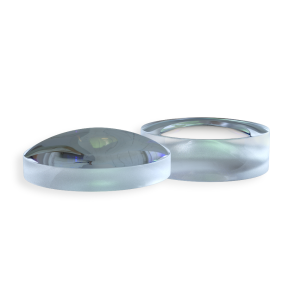
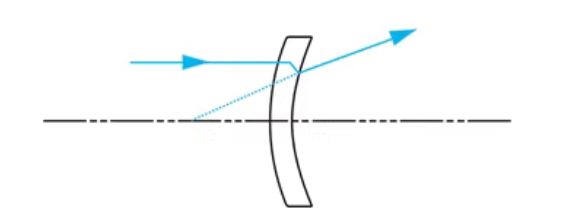
Negative Meniscus Lenses
Negative meniscus (convex) lenses are designed to minimize spherical aberration in optical systems. When used in conjunction with another lens, a positive meniscus lens can increase the focal length, thereby reducing the system’s numerical aperture (NA). When used to converge parallel light, the convex surface of the lens should face the light source to minimize spherical aberration.
Material: N-BK7 glass, quartz glass;
Available size: Ø1 inch;
Available uncoated or with four antireflective coatings:
Uncoated: 350nm – 2.0 µm / 185nm – 2.1µm
UV coating: 250-400nm
A coating: 350-700 nm
B coating: 650-1100 nm
C coating: 1050-1700 nm
Focal length range from -100.0 to -1000.0 mm;
If you need to order in stock or custom Meniscus Lenses, please kindly contact our sales team:
info@borisuns.com/ jessie@borisuns.com